
What Is Lung Cancer? Symptoms, Causes, and Early Warning Signs
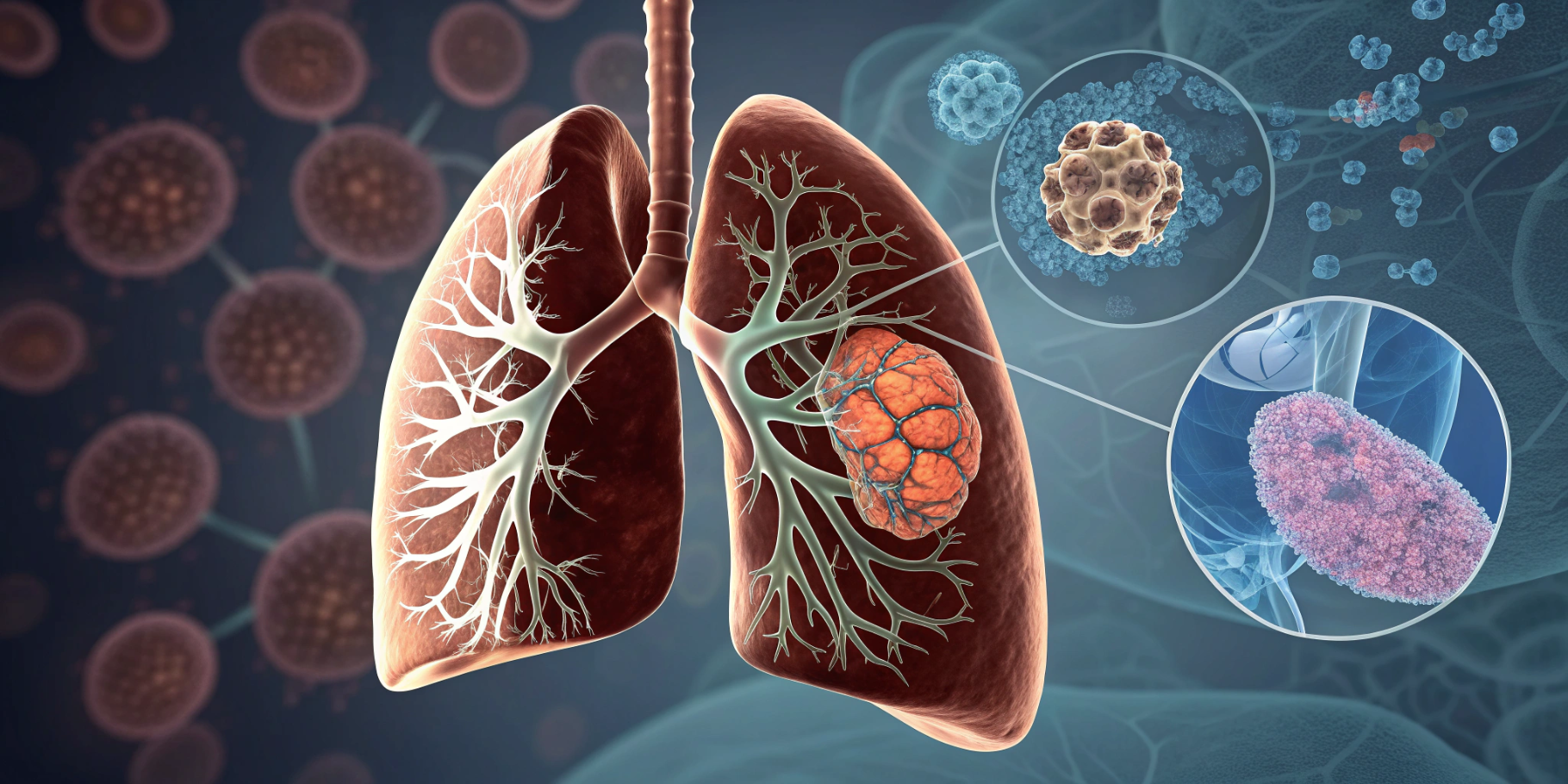
Lung cancer is one of the most serious health conditions affecting millions of people worldwide. Despite medical advancements, it often goes undetected until it reaches an advanced stage. The reason? Early symptoms are subtle and easy to ignore.
Understanding lung cancer—its causes, symptoms, and early warning signs—can help save lives. Early diagnosis significantly improves treatment outcomes and survival rates.
This detailed guide explains lung cancer in simple terms, helping you recognize the signs early and take timely action.
What Is Lung Cancer?
Lung cancer is a disease in which abnormal cells grow uncontrollably in the lungs. These cells do not function like normal lung cells and can spread (metastasize) to other parts of the body such as the brain, bones, or liver.
The lungs play a critical role in supplying oxygen to the body. When cancer disrupts this process, it affects overall health and quality of life.
Lung cancer can develop in one lung or both and may begin in the airways, bronchi, or alveoli.
Types of Lung Cancer
Lung cancer is mainly classified into two major types based on how cancer cells appear under a microscope.
-
1. Non-Small Cell Lung Cancer (NSCLC)
This is the most common type, accounting for nearly 85% of cases.
Common subtypes include:
Adenocarcinoma
Squamous cell carcinoma
Large cell carcinoma
NSCLC usually grows slower and responds better to early treatment. -
2. Small Cell Lung Cancer (SCLC)
This type spreads more rapidly and is strongly linked to smoking.
Although aggressive, it may respond well to chemotherapy and radiation if diagnosed early.
What Causes Lung Cancer?
Lung cancer develops due to damage to lung cells over time. This damage leads to abnormal cell growth.
- Smoking (Active and Passive)
Cigarettes, bidis, cigars, and hookah contain harmful carcinogens. - Secondhand Smoke
Non-smokers exposed to smoke are also at high risk. - Air Pollution
Long-term exposure to polluted air increases lung cancer risk. - Occupational Hazards
Exposure to asbestos, diesel fumes, arsenic, or chemicals. - Radon Gas
A naturally occurring radioactive gas found in some homes. - Family History
Genetics can increase susceptibility. - Previous Lung Diseases
Conditions like tuberculosis or chronic obstructive pulmonary disease (COPD).
Early Warning Signs of Lung Cancer
Early-stage lung cancer may not cause noticeable symptoms. However, the body often sends subtle warning signals.
- Persistent cough that doesn’t go away
- Chest pain while breathing or coughing
- Shortness of breath
- Fatigue or weakness
- Frequent respiratory infections
- Hoarseness of voice
- Mild but recurring fever
Ignoring these symptoms can delay diagnosis.
Advanced Symptoms of Lung Cancer
As the disease progresses, symptoms become more severe.
- Coughing up blood
- Unexplained weight loss
- Severe chest pain
- Loss of appetite
- Swelling in face or neck
- Bone pain
- Headaches or dizziness
At this stage, cancer may have spread to other organs.
How Lung Cancer Is Diagnosed
Early diagnosis is crucial for successful treatment.
- Chest X-ray – Initial screening tool
- CT Scan – Detects small tumors
- PET Scan – Checks cancer spread
- Bronchoscopy – Examines airways
- Biopsy – Confirms cancer type
- Blood Tests – Evaluate overall health
If symptoms persist, timely consultation with a Cancer Specialist in Kanpur can help ensure early and accurate diagnosis.
Stages of Lung Cancer
- Stage 0: Cancer confined to lung lining
- Stage I: Cancer limited to lungs
- Stage II: Spread to nearby lymph nodes
- Stage III: Spread within chest
- Stage IV: Spread to distant organs
Early stages have better treatment success rates.
Treatment Options for Lung Cancer
- Surgery
Removes cancerous tissue (best for early stages) - Chemotherapy
Destroys cancer cells using drugs - Radiation Therapy
Uses high-energy rays to kill cancer cells - Targeted Therapy
Attacks specific cancer cell mutations - Immunotherapy
Boosts body’s immune response against cancer
Many patients receive a combination of treatments for best results.
Can Lung Cancer Be Prevented?
- Quit smoking immediately
- Avoid secondhand smoke
- Use protective gear in hazardous workplaces
- Maintain good indoor ventilation
- Get regular health check-ups
- Eat a balanced diet rich in antioxidants
- Exercise regularly
Prevention begins with awareness and lifestyle changes.
Importance of Early Detection
Early detection dramatically increases survival chances.
When diagnosed at an early stage, lung cancer treatment is more effective, less aggressive, and recovery chances are higher.
Many people ignore symptoms until they become severe. This delay often reduces treatment options.
Listening to your body and acting early can save lives.
When Should You See a Doctor?
- Persistent cough lasting more than 2–3 weeks
- Breathlessness without exertion
- Chest pain that worsens
- Blood in cough
- Sudden weight loss
Early consultation leads to timely diagnosis and better outcomes.
Living With Lung Cancer
A lung cancer diagnosis affects both physical and emotional well-being.
- Pain management
- Nutritional support
- Mental health counseling
- Family support
- Rehabilitation programs
Lung cancer is a serious but manageable condition when detected early. Understanding symptoms, causes, and warning signs empowers individuals to seek timely care.
Ignoring early symptoms can be life-threatening. Awareness, prevention, and early diagnosis are the strongest weapons against lung cancer.
If you or a loved one experiences persistent respiratory symptoms, don’t delay medical attention.
Help Is Here—Call Now!
FAQs
Help Is Here—Call Now!